Authenticity check
Make sure the vial in your hands is the real one
Every box carries a QR code and a code hidden under a scratch layer. It reveals the batch, production date, shelf life and analysis result for your exact vial — before you open it.
Code from the package
Case, spaces and dashes do not matter — the code is recognised as typed.
This is a demo for now. Real verification starts together with the batch database; today only a few sample codes respond — for example PT-24-0117-A4KZ.
Verification works only at peptids.net. Sites get copied just like products — compare your browser address bar with the address on the box.
How to check
Three steps, under a minute
Nothing to install: your phone camera or this page is enough.
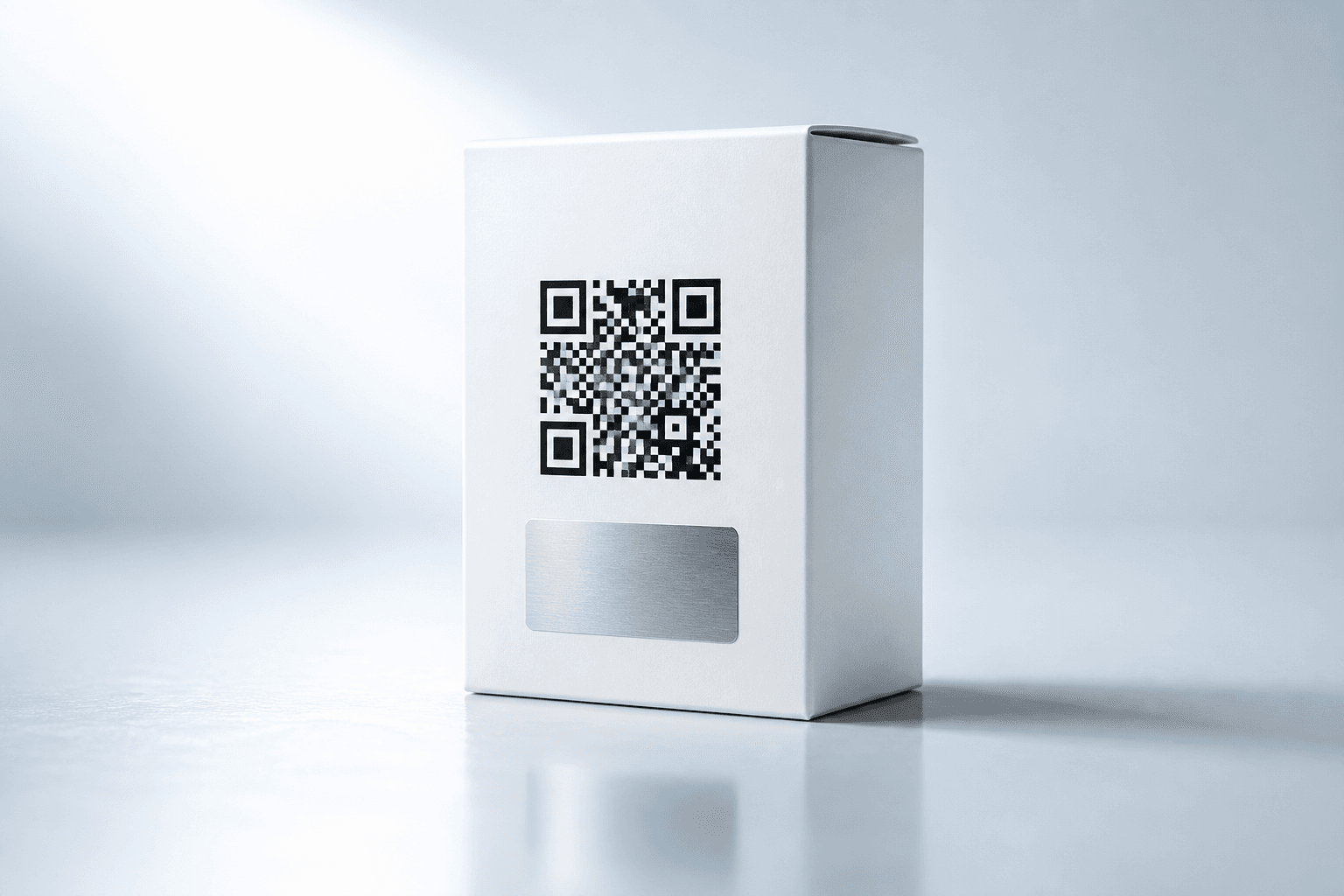
Scan the QR code
Point the camera at the QR code on the package. The link opens this page with the code already filled in. If the camera offers a different address, do not open it.
Scratch off the protective layer
The verification code is printed under the silver strip, right below the QR code. It scratches off with a coin and cannot be restored — an untouched strip is itself proof that nobody opened the box before you.
Match the data against the box
The check shows the batch, production date and shelf life — all of it printed on the package too. If they match, the product is ours. If not, write to us and we will sort it out before you open the vial.
What you will see
The full batch card
After a check you see everything we know about your vial. No field is hidden: if there is nothing to show for a batch, there is no batch.
Product
Semaglutide
- Dosage
- 5 mg
- Batch number
- PT-24-0117
- Produced
- 2026-05-14
- Use by
- 2028-05-14
- Purity
- 99.4%
- Analysis method
- HPLC
- Times checked
- 1
The values on this card are a sample. Real ones will come from the batch database once we connect it.
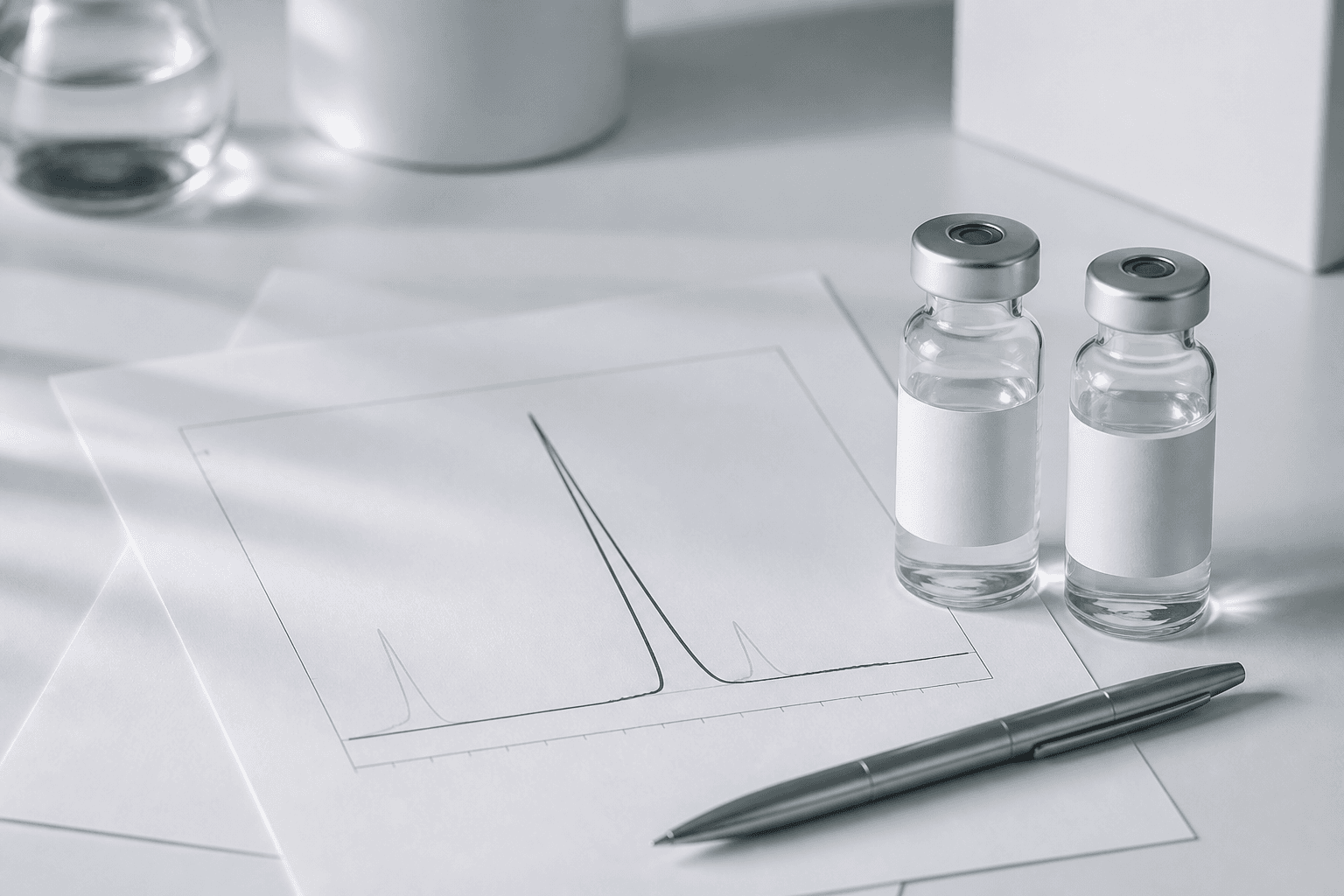
Batch analysis report
The card comes with a report and its chromatogram: it shows not just the purity figure but what the remaining percent consists of.
The check counter
Why we show how many times a code has been checked
Copying a code is easy: it only takes transcribing it from a real box. Keeping it unique is impossible — the same code on a hundred boxes gives itself away through the counter.
One check
Normal: you are the first to scratch the strip and enter the code. That is what a freshly bought box should look like.
Two or three checks
Also fine. People check from a phone and then a laptop, show it to a friend, come back to the page a week later.
Dozens of checks
A reason to pause. Either the code has been spread across a counterfeit run, or the box was opened before you. In both cases write to us without opening the vial.
The counter counts checks, not buyers: open the page five times yourself and the number grows by five. Judge by the order of magnitude, not the exact figure.
Signs of a counterfeit
What to check before opening the vial
The list works even if you bought elsewhere: every sign can be checked by eye, without a lab.
The site address on the box
How it should be: The package reads peptids.net, and exactly that address is in the browser bar during the check
Warning sign: A lookalike address with an extra letter, a dash or a different zone: peptids-net, peptid.net, peptids.shop
The scratch layer
How it should be: The strip is intact, the code underneath is not visible against the light, and it scratches off evenly, once
Warning sign: The layer is rubbed, re-glued, peeling at the edge, or missing entirely
The analysis report
How it should be: A report for your batch, with its number, date and chromatogram — not a generic picture
Warning sign: The same scan for every product, a document with no batch number, or a refusal to show it before payment
Batch and shelf life
How it should be: The batch number and date on the box match what the code check returned
Warning sign: The marking is scrubbed, stuck over another label, or differs from the check by even a day
The cold chain
How it should be: An insulated box with cooling packs, still cold inside, handed over by the courier the same day
Warning sign: A plain bag or envelope, a warm parcel, a week at a pickup point with no fridge
The seller
How it should be: Legal details, an invoice, batch documents on request and a permanent website address
Warning sign: Messenger chat only, payment to a personal card, documents promised «after we ship»
Documents
Certificates and reports for the batch
Documents belong to a batch, not to a product in general: every delivery has its own set.
Analysis report
Purity, method, chromatogram and test date for a specific batch.
Not published on the site yet
Certificate of origin
Who produced it, where, and to which standard. It shows the vial's path to our warehouse.
Not published on the site yet
Batch paperwork
The waybill, storage conditions in transit and warehouse acceptance marks.
Not published on the site yet
We will start publishing documents as files together with the batch database. Some pages stay closed: they carry purchase prices and supplier details, which do not belong in the open. A manager sends the full set for your batch on request — just give the batch number from the box.
Request documentsQuestions and answers
About checking a code
Where is the code on the box?
The strip was already scratched when I got the box. What now?
The code was not found — does that mean it is fake?
The code shows more than ten checks. Is that bad?
Can I check a product bought somewhere else?
What do you store when I run a check?
Code did not match? Write to us while the vial is still sealed
Send us the batch number and a photo of the package with the QR code. We reply the same day, and if the product turns out not to be ours, we will help you deal with the seller.